
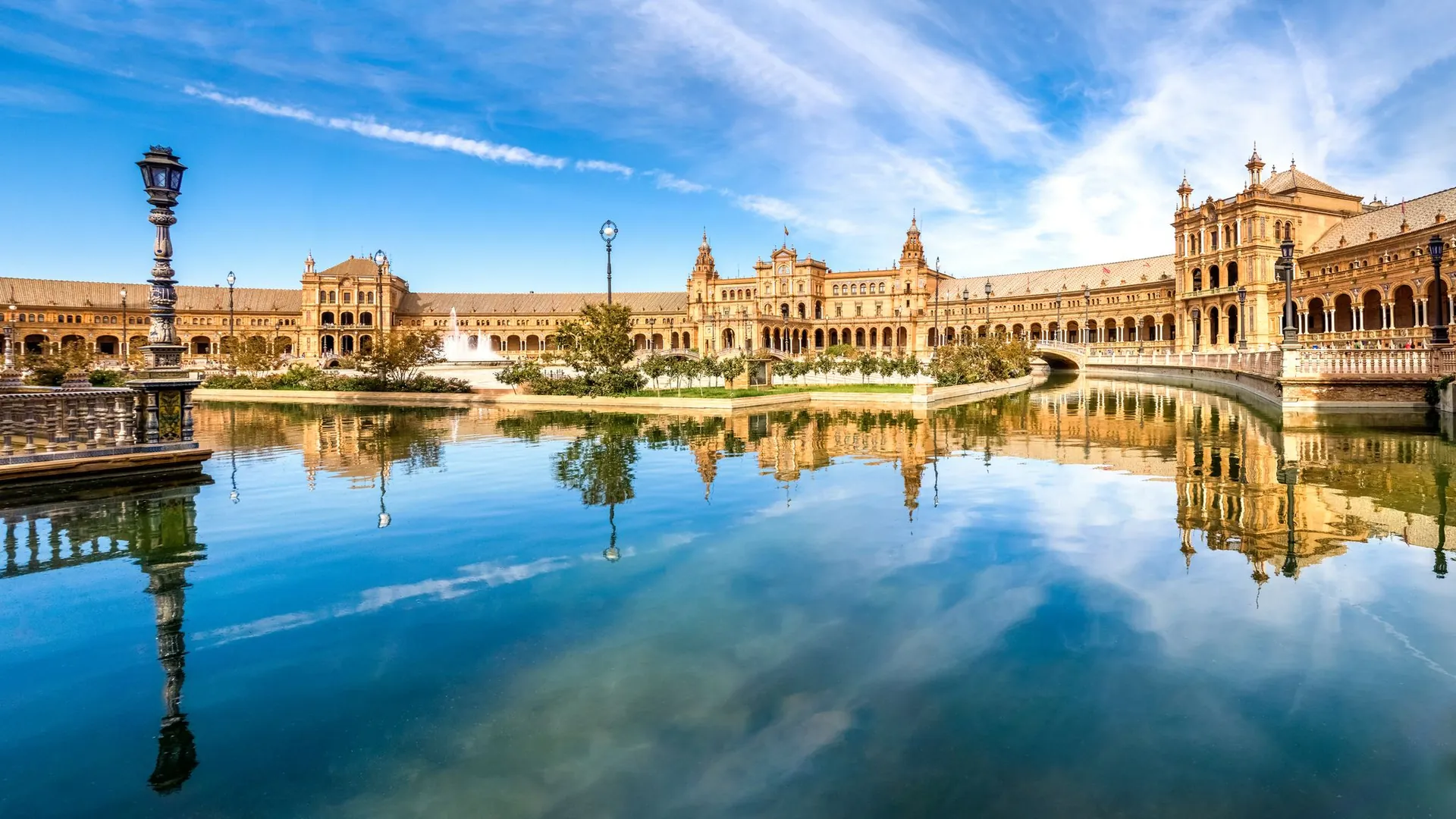
Spain in Full Color: Madrid & Andalusia
Why Spain
After Italy, Spain is the country I love most, and I have traveled it from north to south. Andalusia is the part I know best: two long trips, the second a road trip through Seville, Córdoba, Granada, Málaga and Ronda, with Granada on both. This route is the one I would give a friend going for the first time: a capital, then a week in the south, in an order that keeps the long legs short and puts each city at its best hour.
It is also one of the easiest countries in Europe to travel as two men. In May 2026 Spain moved to the top of the ILGA-Europe Rainbow Map for LGBTQI+ rights, ahead of Malta after ten years. That is not the reason to go, but it tells you how you will be received: in Chueca in Madrid, in a tablao in Seville, at a late table in Granada, nobody looks twice.
When to go
April–June · September–November
Length
11 days, 10 nights
Madrid 2 · Seville 3 · Málaga 2 · Granada 1 · Córdoba 2
Price
From $9,500 pp
10 nights · two sharing · flights not included
Includes every stay, high-speed train tickets Madrid–Seville and Córdoba–Madrid, a private driver through Andalusia, private guides where it matters, and all the experiences listed. International flights excluded. How it works
The trip in a nutshell
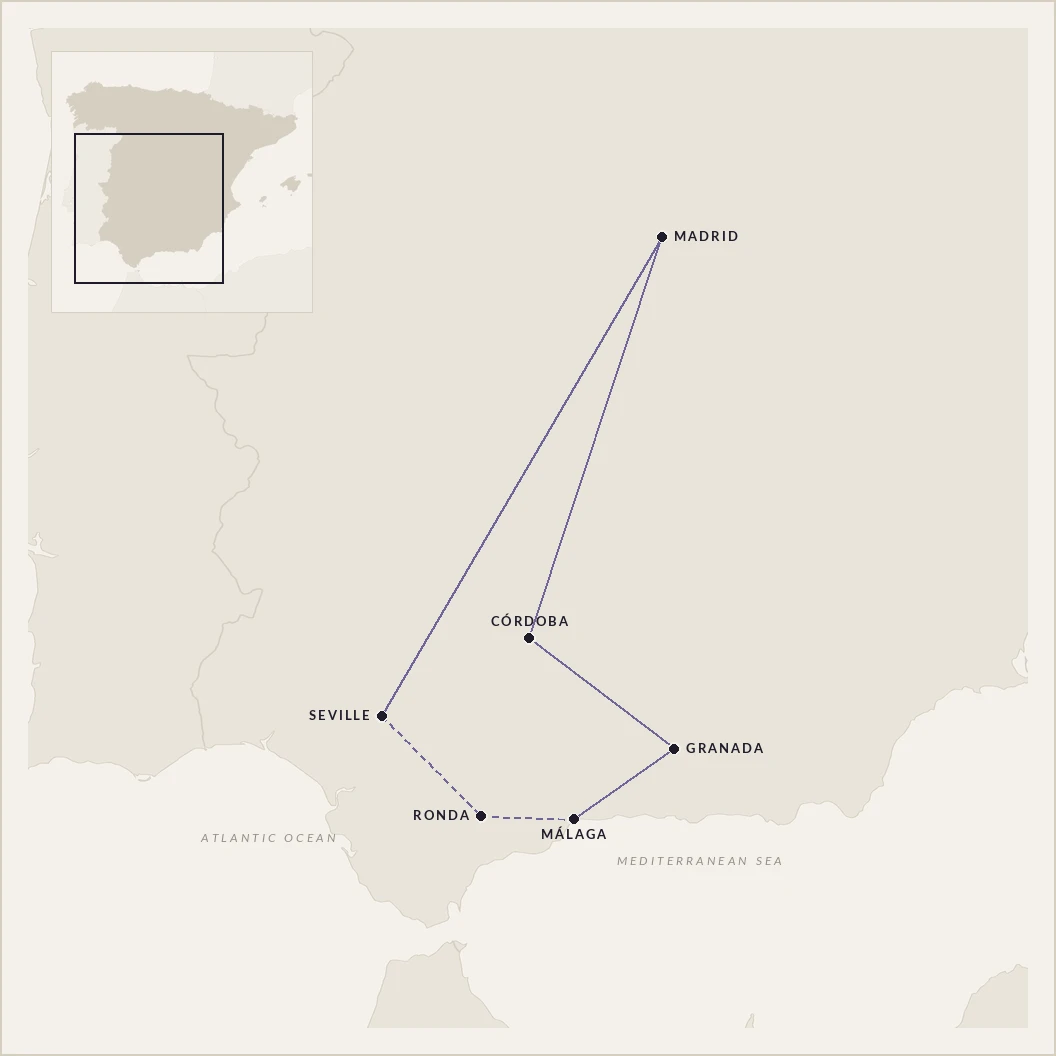
Five bases in ten nights, and every move taken care of: the high-speed train south from Madrid and back from Córdoba, and a private driver for everything in between — nobody rents a car, nobody looks for parking in the Albaicín. Two nights in Madrid for the palaces and the late dinners, then three in Seville, the city that sets the tone for the whole south.
From Seville the car takes you over the mountains to Ronda and down to the sea at Málaga, for two nights of Picasso, seafood and the beach. Then Granada and the Alhambra, the Albaicín the next morning, and Córdoba to close, with the Mezquita at the quiet hour and a last dinner in a palace built around its patios.
Who this is for
This is for the traveler who wants the great Spain done properly, with room to breathe: the Alhambra and the Mezquita with a guide, and also the long lunch, the siesta, the walk at ten in the evening when the south comes back to life. It works as a first trip to Spain, and for anyone who has done Barcelona and wants the other half of the country. If the Mediterranean side is what you are after, there is Barcelona and Sitges as a trip of its own.
Andalusia is a place where being a gay couple is simply not a topic, and the tables on this page are ones where I would sit myself. Seville and Málaga have open, relaxed scenes (our guide to how gay friendly Spain is covers them city by city), and Granada has more late-night bars than its size suggests. And if you are not ready to stop at the end, the trip runs on naturally into Lisbon and Porto.
The route
A starting point, not a fixed menu: every day is shaped around you. Here is how I would do it the first time.
Days 1–2
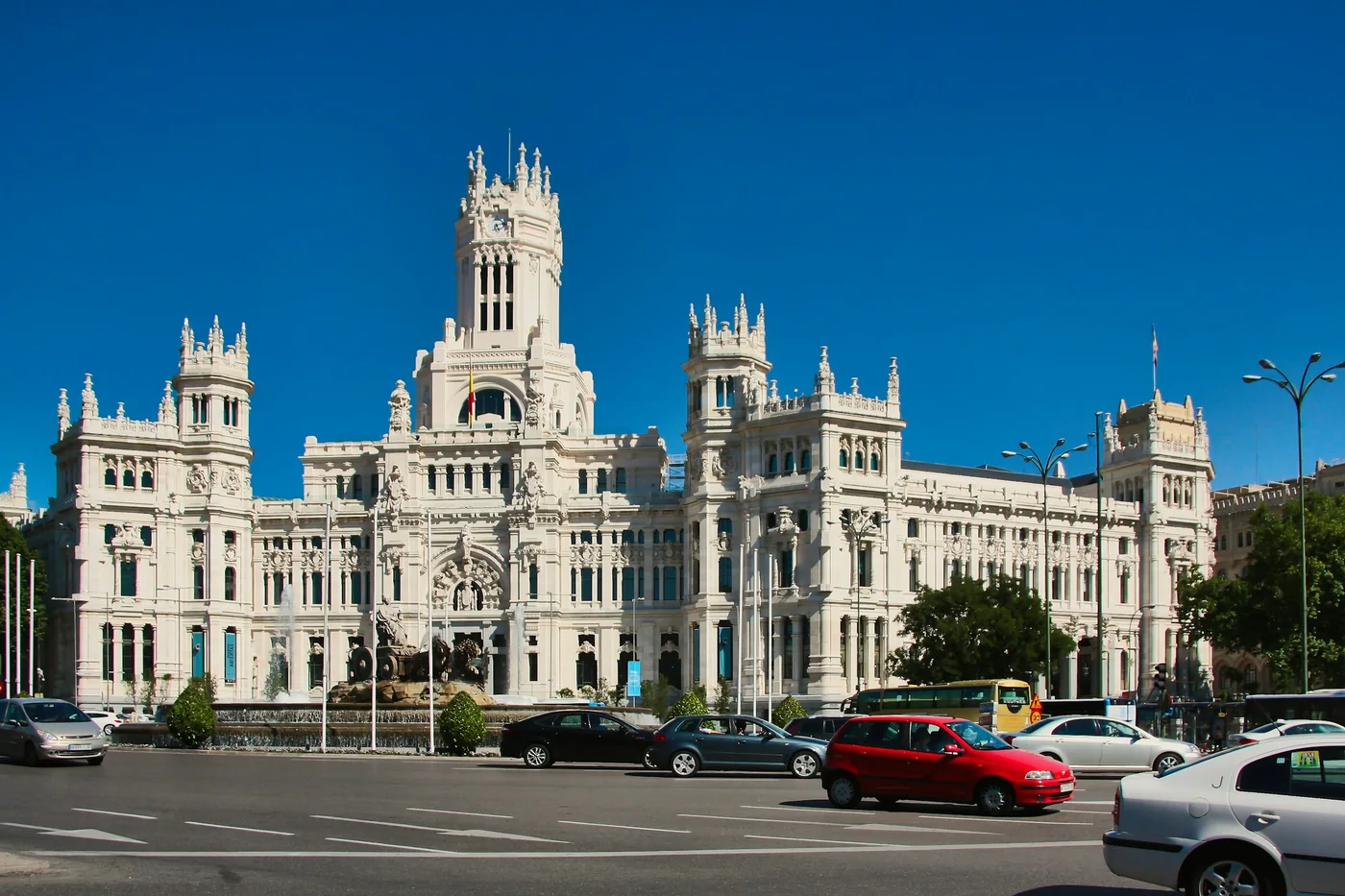
Madrid
Day 1. A driver from the airport to your hotel in the center. A first walk through the old town to Plaza Mayor at the end of the afternoon, when the square fills up, and a first dinner nearby: Madrid eats late, and the first evening is the moment to start doing the same.
Day 2. The classics, at a pace that lets them land: Puerta del Sol, Puerta de Alcalá, the Royal Palace. A long lunch, and the afternoon is yours — rest, shop, or the Prado if you want the Velázquez and the Goyas. In the evening, Chueca is a few minutes away.
Days 3–5
Seville
Day 3. A last morning in Madrid, a more everyday side of the city, and then the high-speed train south: about two and a half hours, and you step out into a different light. A driver to the hotel in the old town, and the evening free.
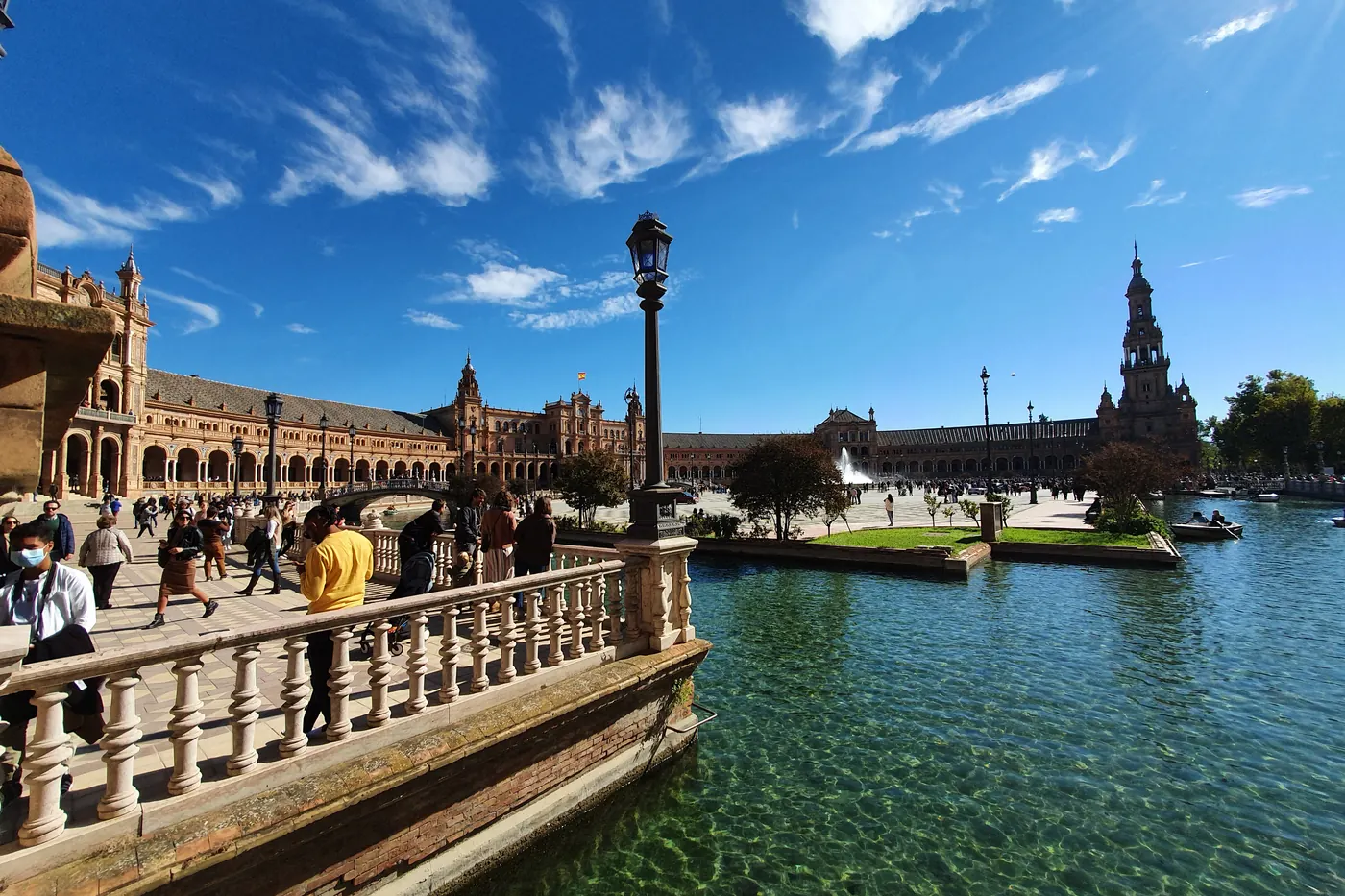
Day 4. The great Seville: the Cathedral and the climb up the Giralda, the Real Alcázar and its gardens, and Plaza de España. After dinner, flamenco in one of the city’s classic tablaos, small enough that you feel the floor move.
Day 5. Santa Cruz, the old Jewish quarter: narrow lanes, small squares, white walls and bougainvillea, the orange trees in the courtyards. The rest of the day is unplanned on purpose, with tapas whenever the moment comes. Seville rewards the people who stop.
Days 6–7
Ronda and Málaga
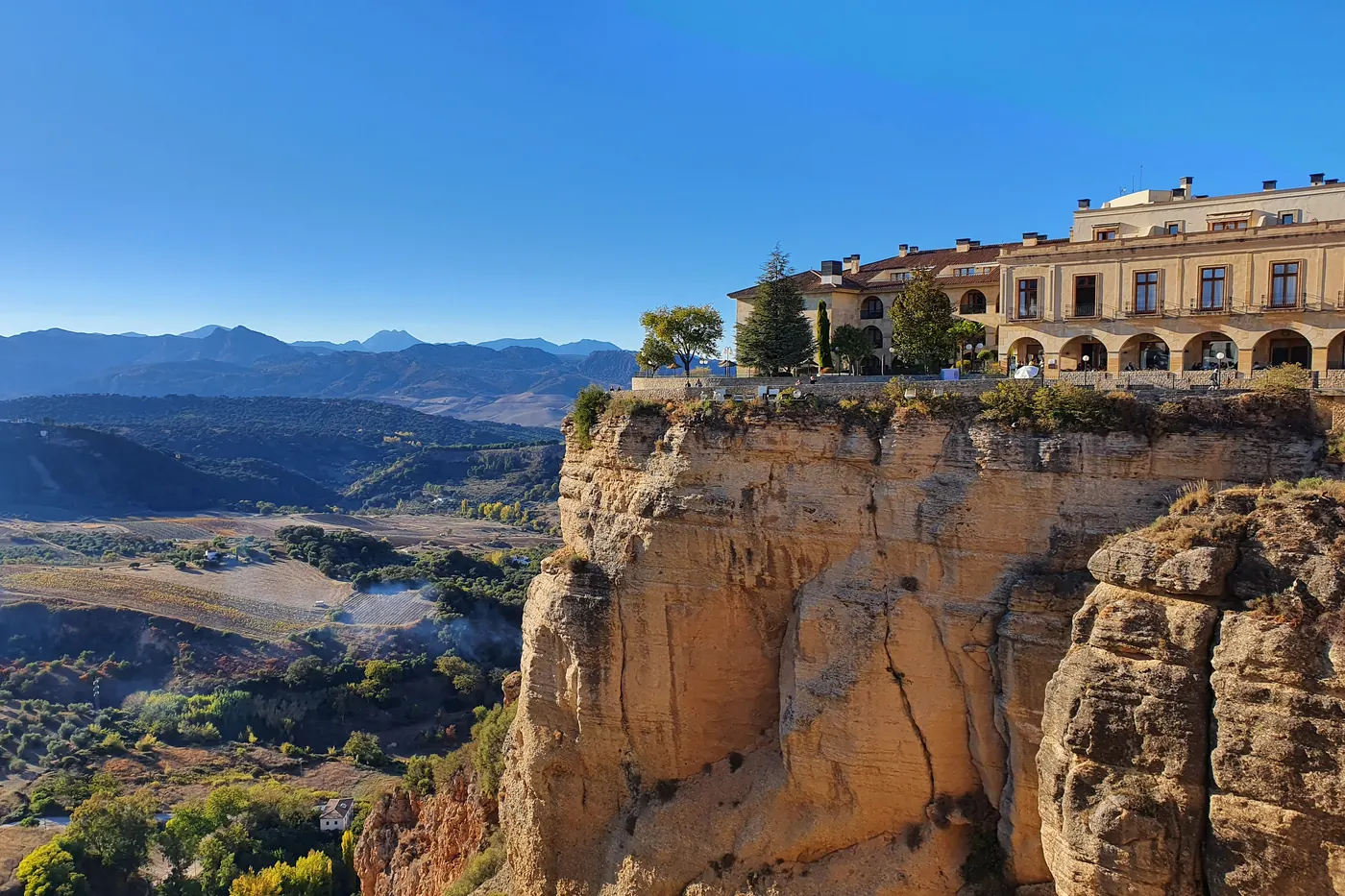
Day 6. The longest day on the road, about three and a half hours of driving, split in two by Ronda: the town on the edge of a gorge, the Puente Nuevo across it, an hour or two in the historic center with the views that make people go quiet. Then down through the hills to Málaga, where the air turns salty.
Day 7. Málaga is sunny, cultured and easy. The Cathedral, then the Picasso Museum, set inside a historic palace in the old town. Lunch is seafood, properly done, and the afternoon is the beach, a drink by the port, or nothing at all.
Days 8–9
Granada
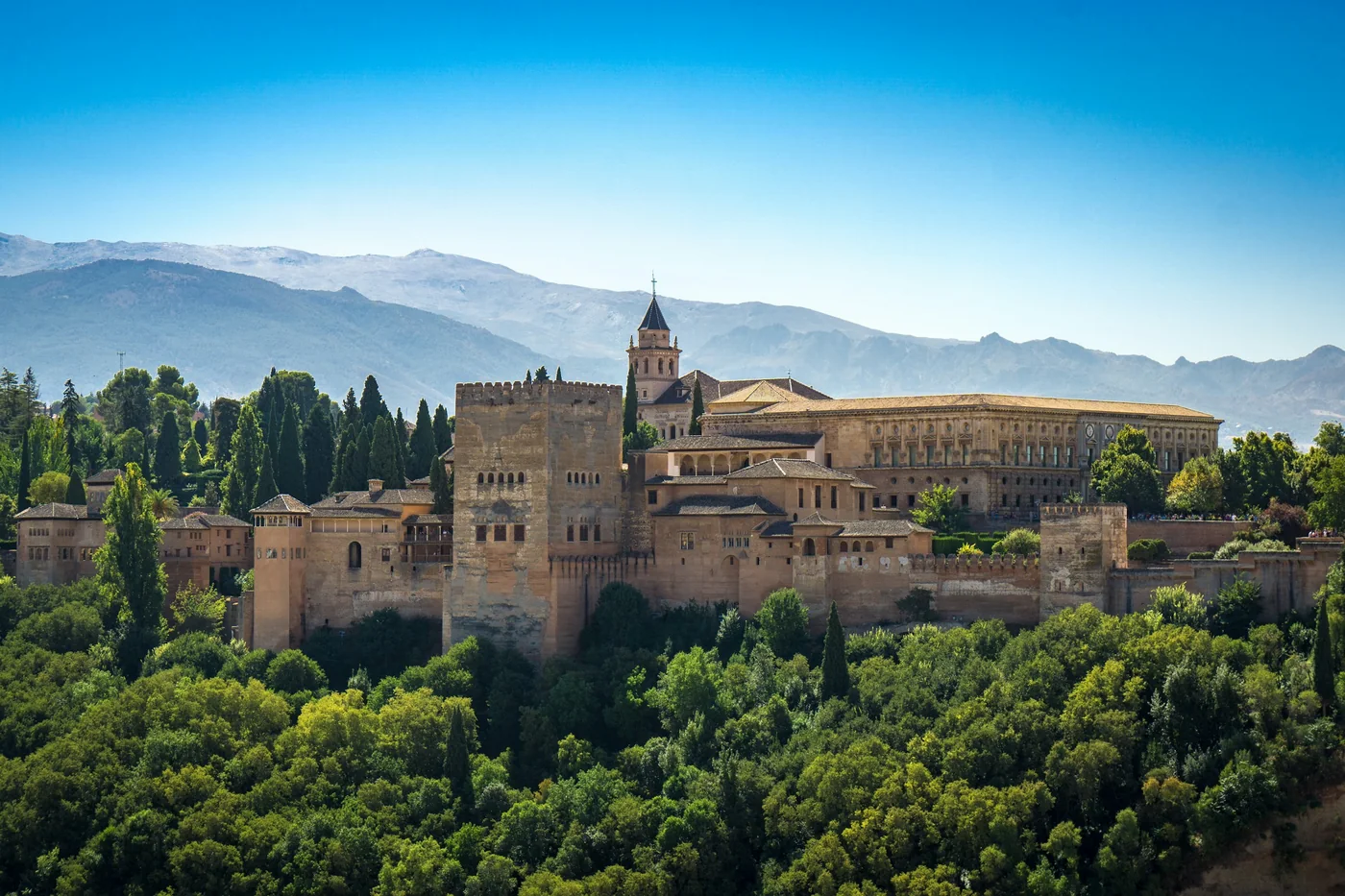
Day 8. About an hour and a half inland to Granada, and a different Spain: more Moorish, more poetic, more intense. The Alhambra with a guide, timed for the light — the Nasrid Palaces, the courtyards, the water in the gardens of the Generalife. After dinner, if you feel like it, a late drink: Granada’s gay bars are small, friendly and open late.
Day 9. The Albaicín in the morning, the old Arab quarter on the hill opposite: white lanes, hidden gardens, and the viewpoint that frames the whole Alhambra against the Sierra Nevada. Then about two hours by car to Córdoba, and a quiet dinner. Drawn to Lorca? This day can be his instead: the Centro Federico García Lorca, the Huerta de San Vicente where he spent his summers, and the village in the vega where he was born.
Days 10–11
Córdoba, and home
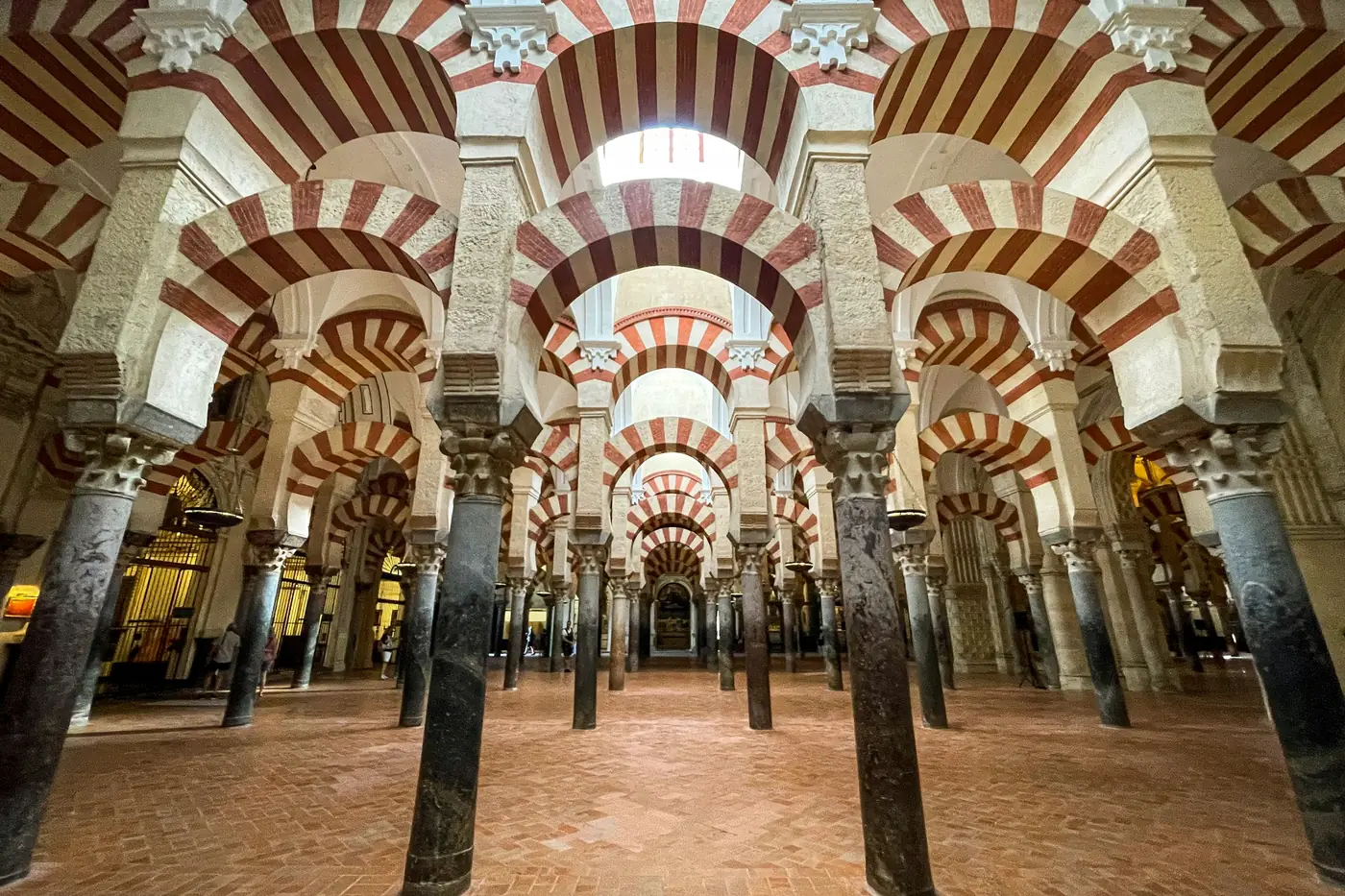
Day 10. Córdoba is smaller and quieter, and it holds one of the great interiors of Europe: the Mezquita, the mosque that became a cathedral, a forest of red and white arches. Afterwards the old town and its patios, the Roman bridge at sunset, and a farewell dinner.
Day 11. The high-speed train back to Madrid, under two hours, for the flight home. If you are not ready to stop, this is where Lisbon or Porto can go in.
Where you stay
Five stays, four changes of hotel, chosen for character, position and quiet.
Only YOU Boutique Hotel, Madrid
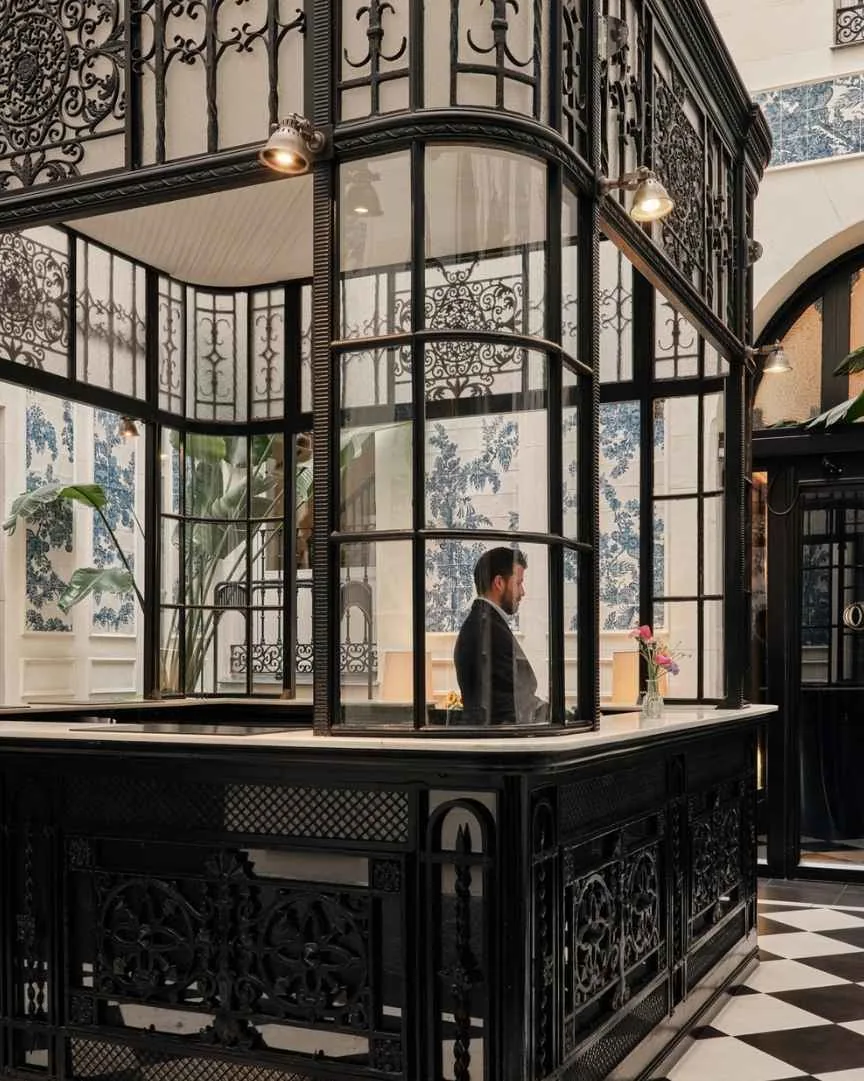
A nineteenth-century palace on Calle Barquillo, in the heart of Chueca, redone with a designer’s eye: high ceilings, books and velvet, and a lobby that works as a living room. Chueca’s bars and restaurants are at the door, and the Prado is a twenty-minute walk.

Hotel Mercer Sevilla, Seville
A small, intimate address in the heart of the old town: refined design, calm rooms, discreet service, and a rooftop for the first drink of the evening. Everything on the Seville days is on foot from the door, Cathedral included.
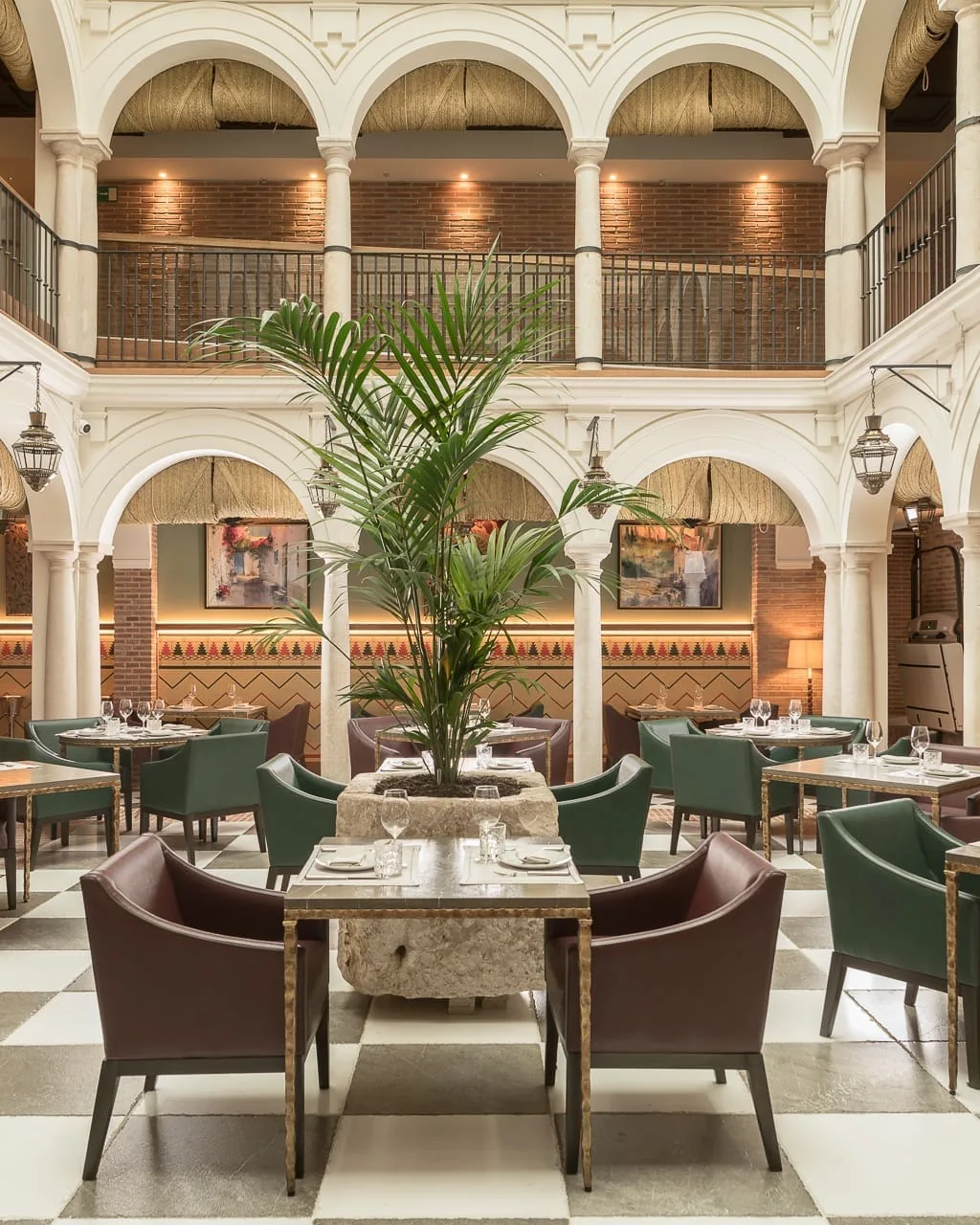
Palacio Solecio, Málaga
An eighteenth-century palace on Calle Granada, in the old town between the cathedral and the Picasso Museum, restored as a small hotel around a quiet patio. Part of Small Luxury Hotels of the World, and one of the best addresses in the city.

Hospes Palacio de los Patos, Granada
A restored nineteenth-century palace with a contemporary wing, in the center of Granada. Quiet rooms, a garden, and a spa with a water circuit and a Turkish bath, which after a day on the Alhambra hill is not a luxury but a need.
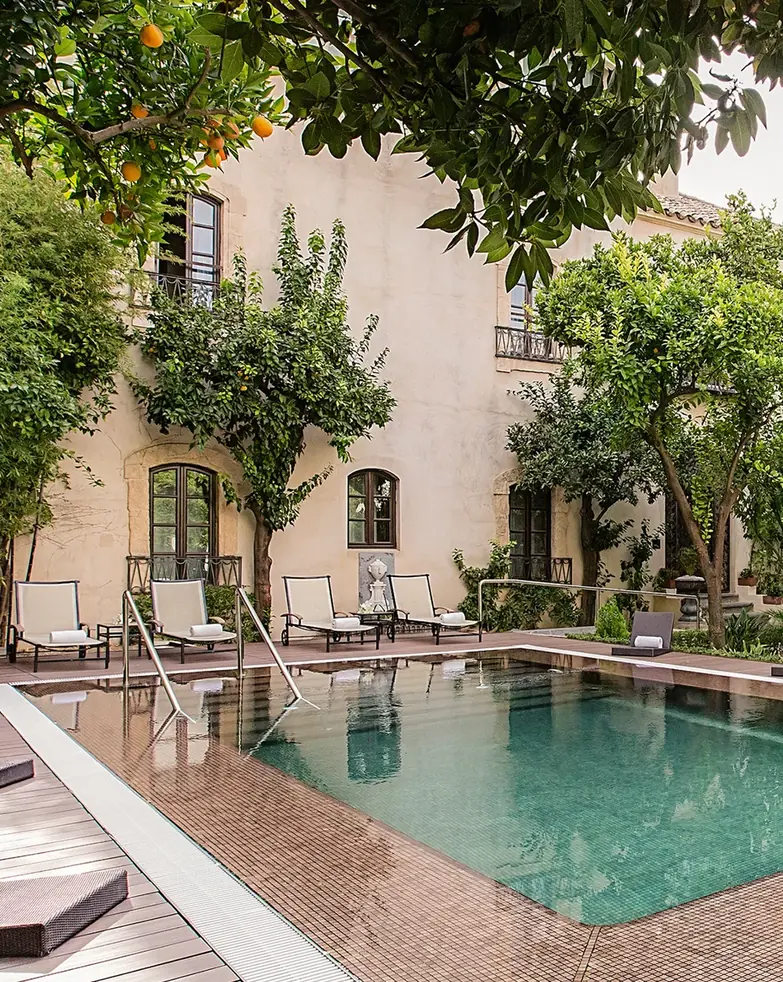
Hospes Palacio del Bailío, Córdoba
A historic palace built around its patios, in the center of Córdoba, with heritage details everywhere and Roman-style thermal baths in the spa. The right place for the last two nights: a calm return after the golden hour in the old town.
Every property here is one I have stayed in or walked through myself, or one vetted by the local team I have worked with for years.
Before you arrive
Everyone you’ll meet on this trip knows who’s coming. The hotel has been told two men are checking in and the front desk briefed: one bed, no questions. The driver knows you’re a couple before you get in the car. The guides are chosen one by one and told the same. The restaurants are booked with the kitchen in the loop if there’s something to celebrate. I’ve been on the other side of every one of those moments myself; anyone who stiffens at the request doesn’t work with me. Traveling solo or with friends? Same people, same welcome.
In their words
Every detail was beyond incredible, from the wonderful hotel selections and personalized, guide-led excursions to the seamless public and private transportation.
RON · SAN FRANCISCO
Athens & the Greek islands
More journeys
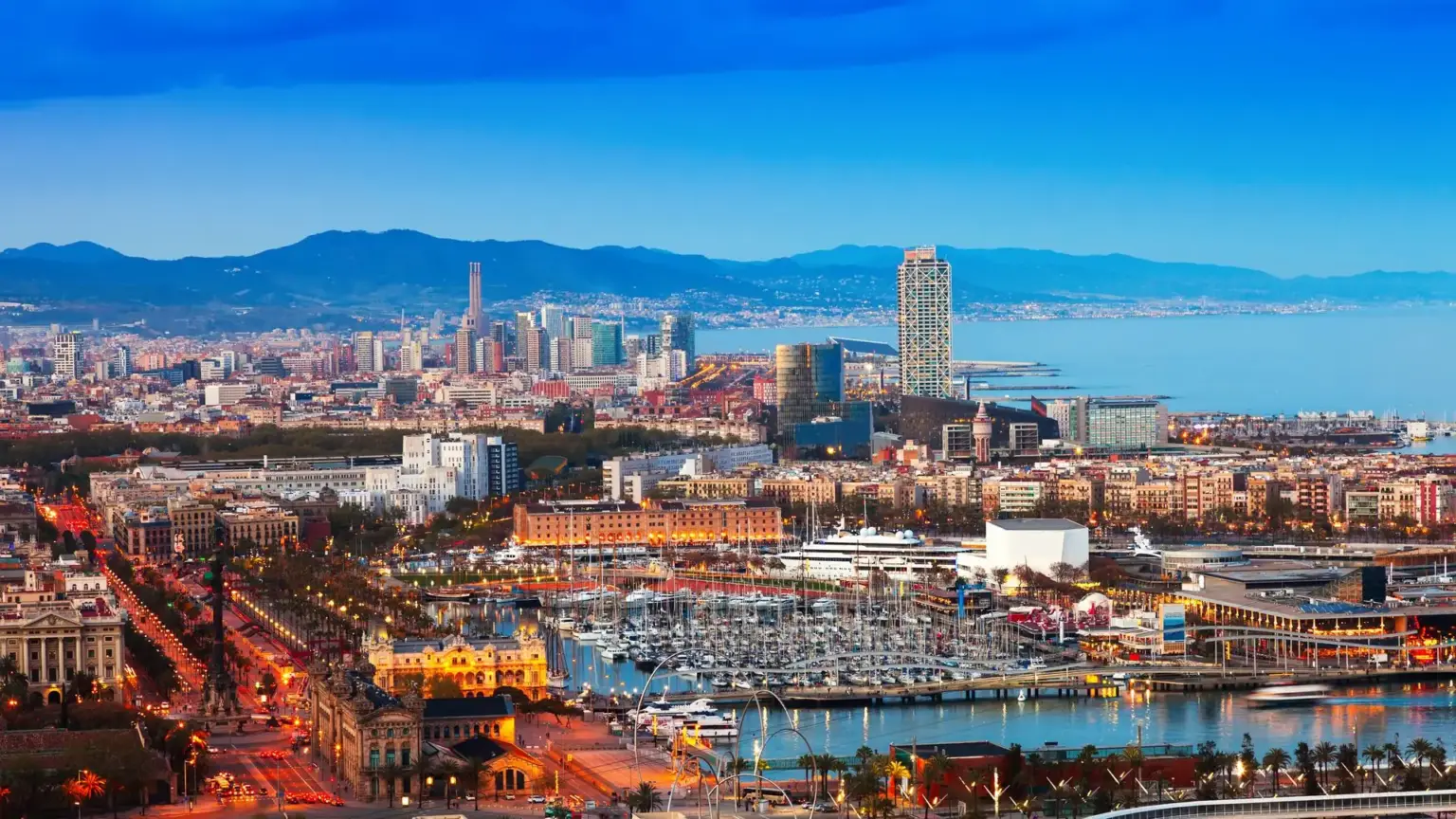
BARCELONA & SITGES
Four nights in Barcelona with a day up the Costa Brava, then three by the sea in Sitges, half an hour down the coast. 7 nights
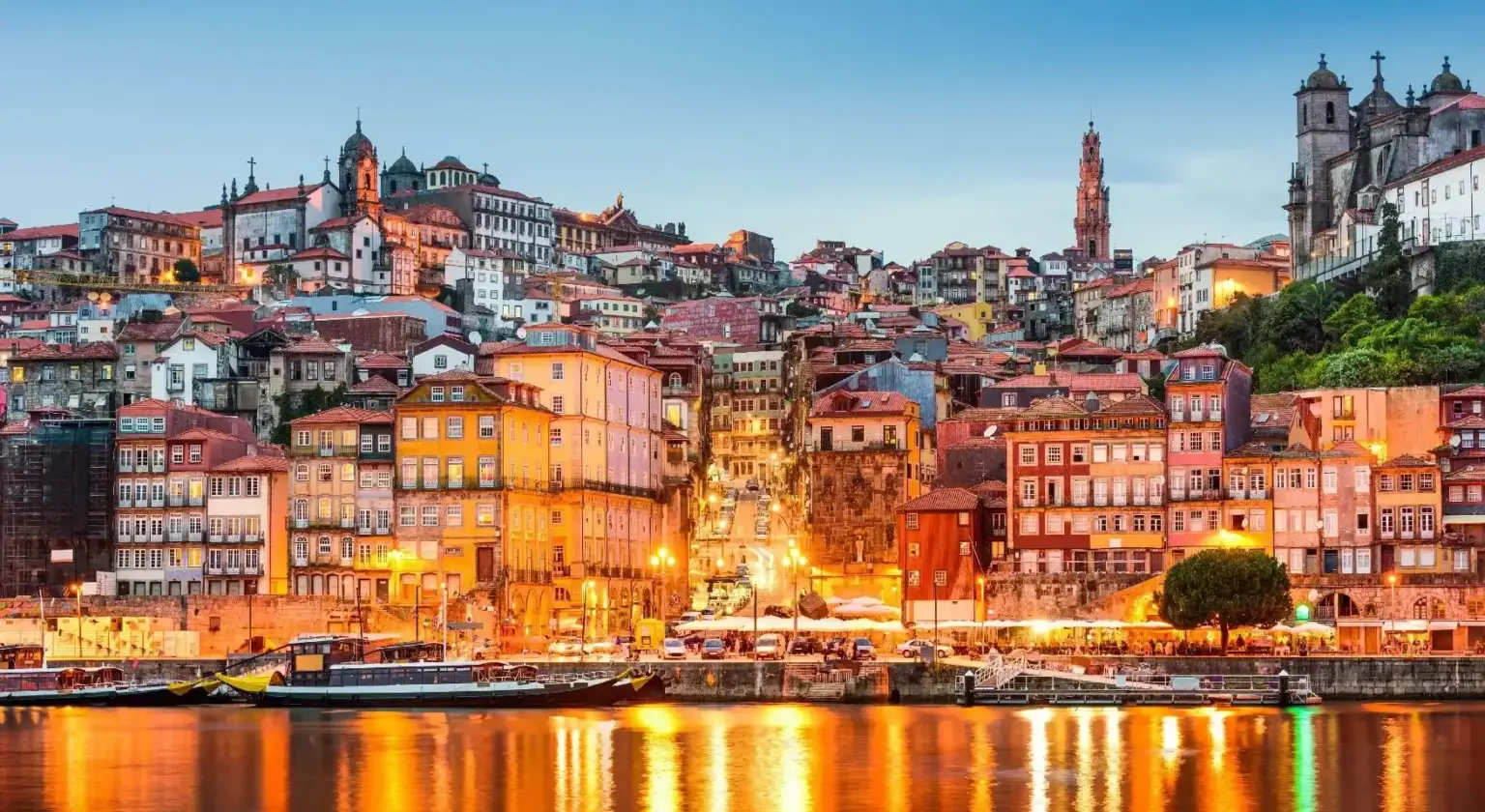
LISBON TO PORTO
Three nights in Lisbon, the road north through Sintra, Óbidos and Coimbra, three nights above the Douro in Porto. 7 nights
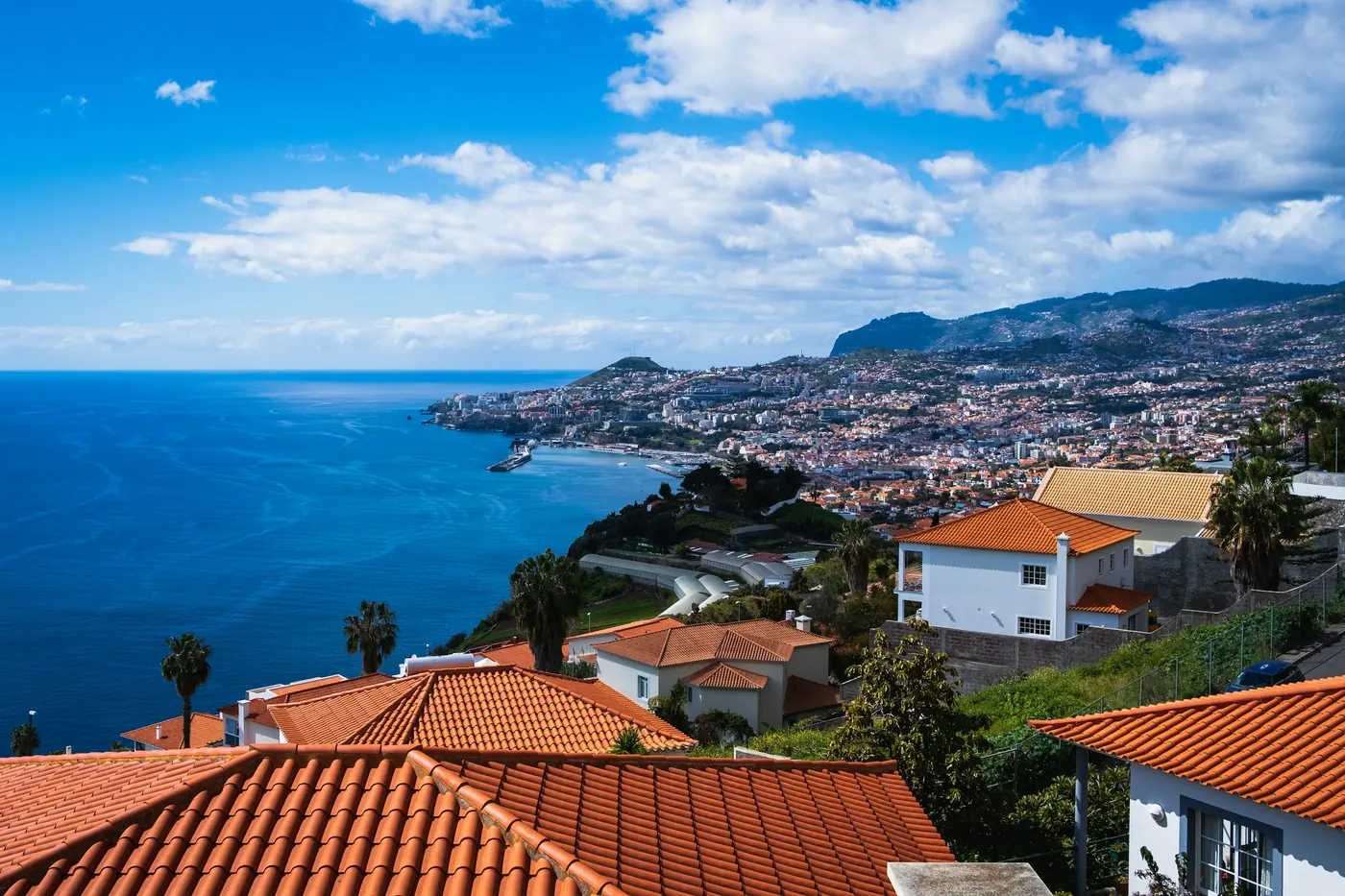
MADEIRA, THE ATLANTIC GARDEN
Seven nights in Funchal, with the north coast, the sea pools of Porto Moniz, a levada walk and sunrise on Pico do Areeiro. 7 nights
Make this itinerary yours
This is a starting point, not a fixed package. Tell me your dates and how you like to travel — a second night in Granada, a day in Lorca’s vega, Marbella at the end — and within two business days you will hear back from me with a first proposal for your trip, which we then shape together.

Francesco Mevoli
Founder, Gay Up Travel